Serving Two Masters? How Religious Minority Leaders Are Reclaiming Political Space Without Surrendering Sacred Identity
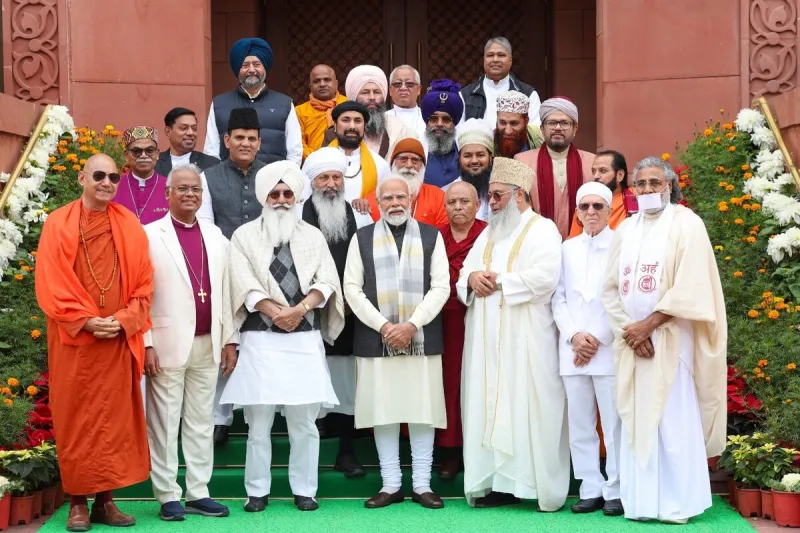
Photo: diverse religious minority leaders community meeting civic engagement, via www.thestatesman.com
The Accusation No One Says Out Loud
It rarely arrives as a direct confrontation. More often, it surfaces as a raised eyebrow at the community gathering, a whispered concern passed between elders, or a pointed question about whether someone has "changed" since entering public life. For members of religious minority communities who pursue political engagement — whether as elected officials, policy advocates, or civic organizers — the suspicion of dual loyalty is a persistent and often paralyzing undercurrent.
The question, stripped of its polite framing, is this: Can you truly serve your community's faith tradition while operating within systems that were not built with that tradition in mind?
The answer, as a growing number of leaders are demonstrating, is an emphatic yes. But arriving at that answer requires deliberate strategy, honest conversation, and a willingness from communities themselves to reimagine what political engagement actually looks like.
Why the Fear Persists
The anxiety about religious minority members entering politics is not irrational. It is rooted in real historical experience. Communities that have faced discrimination, marginalization, and outright hostility from government institutions have developed a protective skepticism toward political power — and toward those who seek to wield it.
For Muslim Americans, Jewish Americans, Sikh Americans, and members of other religious minorities, the political system has at various points been an instrument of exclusion rather than representation. Surveillance programs, discriminatory immigration policies, and the routine erasure of minority religious perspectives from public discourse have all reinforced the sense that engagement with that system is inherently compromising.
There is also a theological dimension to this concern. Many faith traditions maintain a clear distinction between the sacred and the secular, and the worry is that political life — with its necessary compromises, coalition-building, and rhetorical flexibility — will erode the moral clarity that religious identity is meant to provide. When a community leader votes in ways that appear to conflict with religious teaching, or when an advocate aligns with political allies whose values diverge sharply from the community's, the sense of betrayal can be acute.
The Leaders Who Have Navigated This Terrain
What distinguishes those who have successfully bridged religious identity and political participation is not that they have avoided difficult questions — it is that they have engaged those questions openly, and invited their communities into the conversation.
Consider the approach taken by many Muslim American elected officials at the state and local level over the past decade. Rather than compartmentalizing their faith, they have made it the explicit foundation of their public service — citing Islamic principles of justice, accountability, and communal responsibility as the animating values behind their policy positions. This approach does not eliminate criticism, but it reframes the terms of the debate. The question shifts from "Has this person abandoned their community?" to "Is this person applying our shared values in a new arena?"
Similarly, Jewish community advocates working on criminal justice reform have drawn deliberately on halakhic concepts of restorative justice and human dignity, presenting their political work not as a departure from tradition but as its contemporary expression. By grounding their advocacy in textual and ethical frameworks familiar to their communities, they create continuity rather than rupture.
The common thread across these examples is transparency. Leaders who maintain community trust tend to be those who communicate constantly — explaining their decisions, acknowledging tensions, and treating their communities as partners in navigating complexity rather than audiences to be managed.
Practical Strategies for Communities and Leaders Alike
For religious minority communities seeking to support political engagement without sacrificing communal integrity, several concrete approaches have proven effective.
Establish a community accountability framework before a leader takes office. Rather than waiting for controversy to arise, communities can convene structured conversations about their values, priorities, and expectations for political representation. This creates a shared baseline that leaders can reference — and that communities can use to evaluate performance — without resorting to the blunt instrument of loyalty accusations.
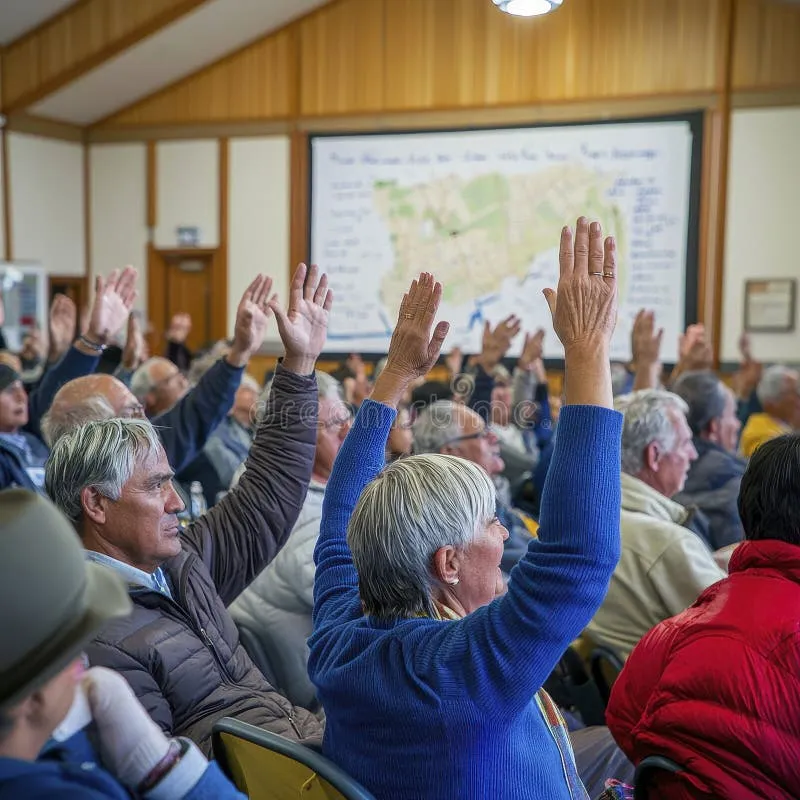
Create formal channels for ongoing dialogue between leaders and community. Town halls, advisory councils, and regular written communications from political representatives to their faith communities help prevent the sense of distance that fuels suspicion. When community members feel informed, they are less likely to interpret silence as betrayal.
Distinguish between theological disagreement and political compromise. Not every policy decision is a statement of religious belief. Communities that develop the capacity to make this distinction — to ask whether a leader has violated a core value or simply made a strategic judgment in a complex environment — are better equipped to evaluate political engagement fairly.
Invest in political education as a communal practice. Many of the tensions around dual loyalty stem from a limited understanding of how political systems actually work. When communities develop civic literacy together — understanding how legislation moves, how coalitions form, how compromise functions — they are better positioned to assess their leaders' choices with nuance.
Celebrate political engagement as a form of communal service. The narrative that political participation is inherently corrupting is self-defeating. Communities that actively honor those who enter public life — treating civic engagement as a form of communal obligation rather than a departure from it — create conditions in which more members will be willing to serve.
Redefining Loyalty
At its core, the dual loyalty trap rests on a false premise: that there is a single, fixed definition of what it means to be loyal to a religious community, and that political engagement necessarily violates it.
But communities are not static. The traditions that have sustained religious minorities through centuries of displacement, discrimination, and resilience are precisely those with the depth and flexibility to engage new contexts without losing their essential character. Political participation, pursued with integrity and accountability, is not a threat to that tradition. It is, in many respects, its continuation.
The leaders who are doing this work most effectively are not those who have resolved the tension — they are those who have learned to inhabit it productively, carrying their communities with them into spaces where religious minority voices have long been absent. That is not disloyalty. That is a form of courage that communities would do well to recognize, support, and cultivate.